 WFNMB
WFNMBThe Federation
One common cause.
The World Federation of Nuclear Medicine and Biology is the peak body for nuclear medicine globally, progressing and promoting nuclear medicine and the translation of molecular medicine throughout the many regions of the world.
Founded on 26 October 1970 in Mexico City, at the third congress of the Latin American association ALASBIMN, the Federation unites the national societies and regional federations of the world in one common cause. It works alongside its members and with international partners, among them the International Atomic Energy Agency and the World Health Organization, to strengthen education and to widen access to quality nuclear medicine care, with particular attention to developing regions.
Since 2019 the Federation has held Non-State Actor status in official relations with the World Health Organization, the only such standing in the field of nuclear medicine, giving the specialty a voice in global health policy.
The Federation’s role is one of coordination rather than competition. It links national societies, associations and working groups; keeps communication and information flowing between them; and takes care not to duplicate or overlap the work of its members. It sponsors delegates and emerging leaders to take part in workshops and Federation meetings, and it encourages the publication of operational research.
Its advocacy carries the concerns of the specialty into the forums where access is decided: at scientific congresses and in its work with the IAEA and the WHO. Its access initiative brings training material from many sources into one place for the professionals who need it most, and its teaching brief works toward common minimum standards of training and credentialling for nuclear medicine worldwide.
- ~100
- Member societies
- 1970
- Founded, Mexico City
- 14
- World Congresses held
How the Federation works
A federation of societies, not of individuals.
Membership runs through the national societies. That is the whole design: a professional joins their own society, and the Federation is where those societies act together.
The General Assembly
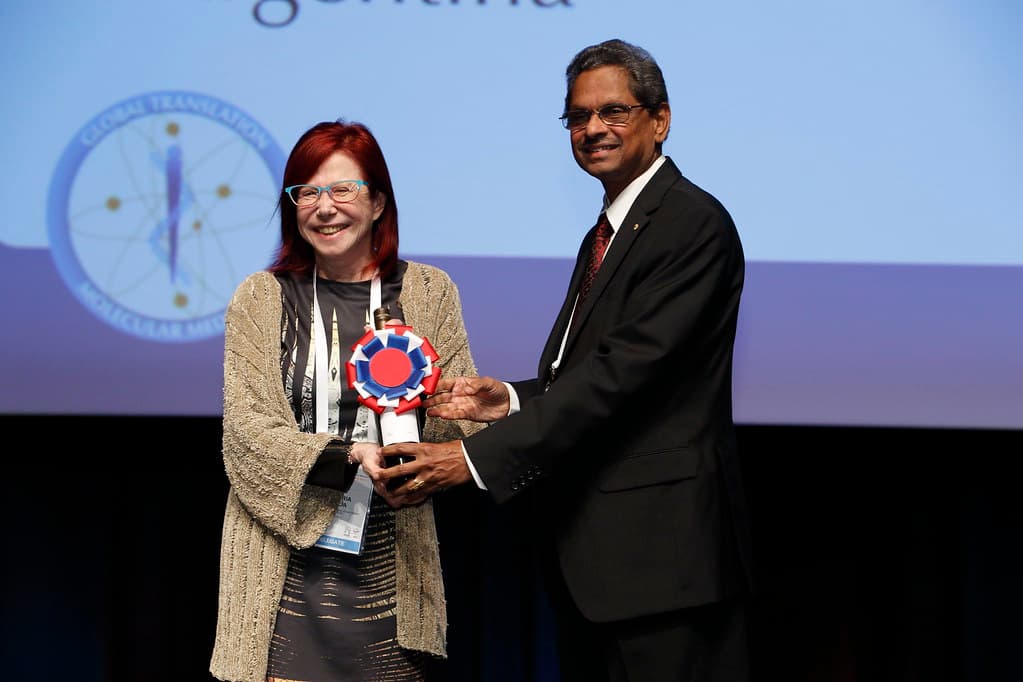
Every member society has a voice. The Assembly meets at the World Congress, sets the direction of the Federation and elects its officers.
The Officers & Board
Officers elected from the member societies carry the work between congresses and report back to the Assembly.
Governance & BoardThe Executive Office
The permanent office maintains the Federation’s records, its correspondence with member societies, and this platform.
Executive OfficeAdvocacy
One voice, where it counts.
The specialty is people and patients before it is policy. The Federation carries that reality into the rooms where access to nuclear medicine is decided.
World Health Organization
Carrying the concerns of the specialty into global health policy, where decisions about access are made.
International Atomic Energy Agency
A long-standing partnership on training and on the supply and safe use of medical radioisotopes.
Regional federations
Europe, the Americas, Asia & Oceania and Africa each have their own federation; the world body is where they meet.
National societies
Roughly one hundred of them, from single-country associations to the largest societies in the field.
Read on
- MissionWhat the Federation exists to do, in its own words.
- HistoryFrom the founding in Mexico City, 1970, to the present day.
- Governance & BoardThe General Assembly, the officers, and how decisions are taken.
- About the FederationStrategy, mission and primary activities, as migrated from the previous site.
- StatutesThe constitution of the Federation.
- Past PresidentsThose who have led the Federation since 1970.
- Executive OfficeThe permanent office that runs the Federation day to day.
- ContactHow to reach the Federation.