 WFNMB
WFNMBThe Federation · History
Building Bridges Across the World: The History of the World Federation of Nuclear Medicine and Biology
From a Vision in Mexico to a Global Federation
The history of the World Federation of Nuclear Medicine and Biology (WFNMB) is, above all, a history of building bridges: between countries and continents, between scientific disciplines and professional communities, and between regions with very different resources but a shared commitment to advancing nuclear medicine for the benefit of patients.
The Federation was founded on 26 October 1970 in San Jeronimo Lidice, Mexico, during the third Congress of the Latin American Association of Societies of Biology and Nuclear Medicine (ALASBIMN). Delegates representing national societies of nuclear medicine and biology came together under the leadership of Drs Roberto Maass Escoto and Osvaldo J. Degrossi with an ambitious objective: to establish an organization capable of linking the nuclear medicine community across national and regional boundaries.
The creation of the World Federation reflected the increasing international character of nuclear medicine itself. Advances in radionuclide imaging, radiopharmaceutical sciences, instrumentation and radionuclide therapy were rapidly transforming the field. At the same time, it was becoming increasingly clear that scientific progress would be accelerated by international exchange and cooperation.
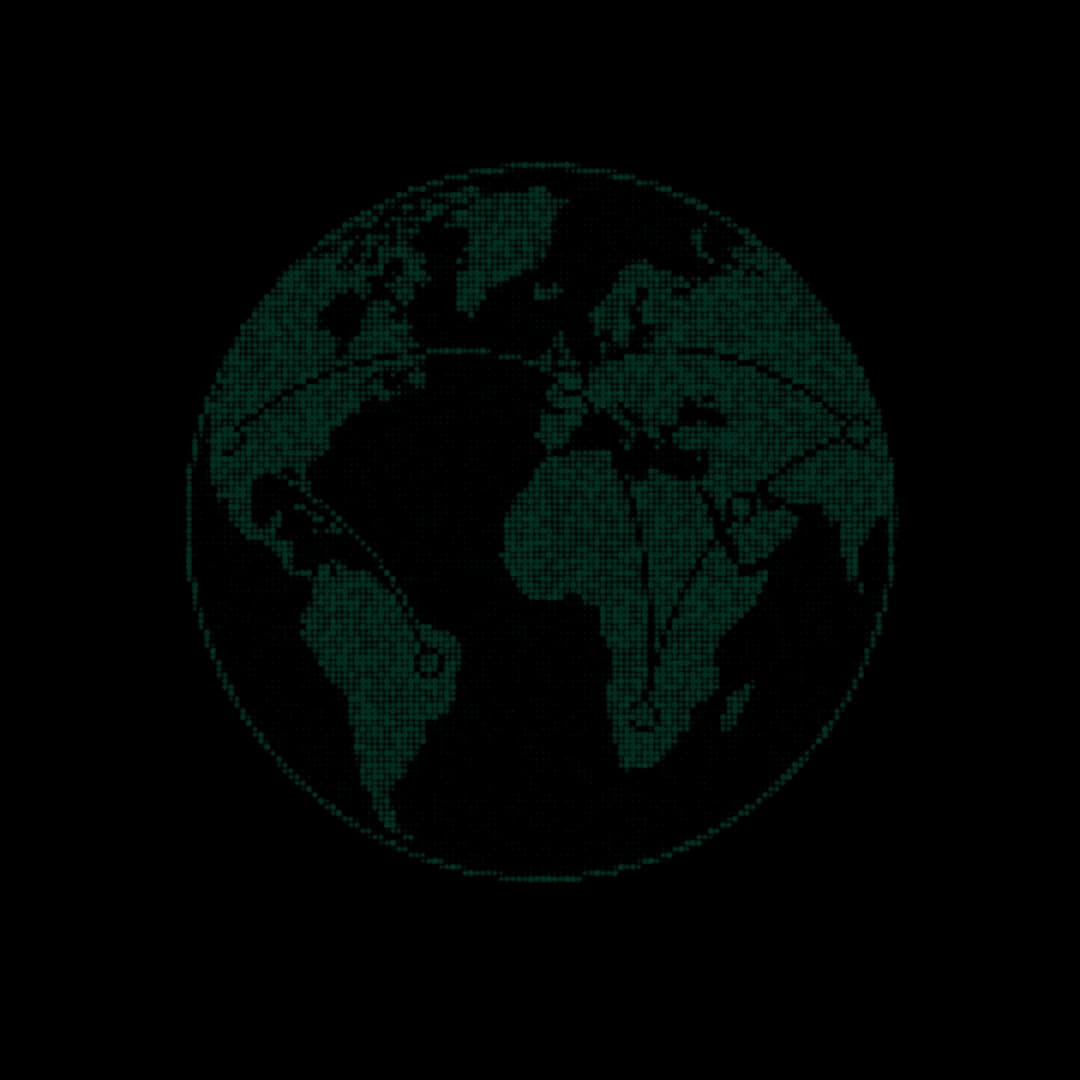
The Federation provided a framework through which national and regional organizations could work together, bringing the Americas, Europe, Asia, Oceania and Africa into an increasingly interconnected global nuclear medicine community.
The First World Congress
Only four years after the establishment of the Federation, its international vision became a reality with the First World Congress of Nuclear Medicine. The Congress was held from 30 September to 4 October 1974 at the Pacific Hotel in Tokyo and concluded on 5 October at Kyoto Kaikan in Kyoto, Japan.
This first World Congress represented far more than a scientific meeting. It created new connections between nuclear medicine professionals from across the Americas, Europe, Asia and Oceania and established a tradition that would become the central international activity of the Federation.
From that beginning, the World Congress of Nuclear Medicine and Biology developed into a major international forum for the presentation and discussion of basic, applied and clinical research, as well as advances in diagnosis and radionuclide therapy.
Four years later, the World Congress moved to Washington, DC. The 1978 meeting attracted approximately 1,700 participants, demonstrating the growing international interest in the Federation and its activities. Paris followed in 1982, with Claude C. Kellershohn serving as President and Claude Raynaud as Secretary-General, and Buenos Aires hosted the Congress in 1986.
During the Buenos Aires Congress, another link with the history of nuclear medicine was celebrated when the Hevesy Medal was handed over by Aldo Mitta to the then President of the WFNMB, Victorio Pecorini. The event symbolized the Federation's connection not only with the contemporary practice of nuclear medicine but also with the scientific heritage on which the specialty had been built.
A Congress Travelling Around the World
The World Congresses became one of the most visible expressions of the Federation's international mission. Following Buenos Aires, the Congress travelled to Montreal in 1990 and Sydney in 1994.
The political changes taking place in Europe at the end of the 1980s also influenced the history of the Federation. Following the fall of the Berlin Wall in 1989 and the new atmosphere of international openness associated with Glasnost, there was strong interest in bringing a future World Congress to Berlin.
At the European meeting in Lisbon in 1992, Hans Biersack was elected President-Elect for the 1998 World Congress in Berlin, with Giorgio Ferlin as Secretary-General-Elect. Biersack subsequently assumed the WFNMB presidency during the 1994 World Congress in Sydney.
The 1998 Berlin meeting became particularly significant because it was organized jointly with the European Association of Nuclear Medicine (EANM). At a time when holding two major international meetings risked creating substantial financial challenges, cooperation offered a practical and scientifically productive solution. With Frans Corstens chairing the Scientific Committee and serving as European Congress President, the joint Congress was a major success, attracting more than 4,000 participants.
The success of Berlin demonstrated an important principle that would repeatedly characterize the development of the WFNMB: international cooperation strengthened rather than diminished the identity and influence of the participating organizations.
Extending the Global Reach
The Federation continued its journey across continents. Santiago, Chile, hosted the World Congress in 2002 under President Horacio Amaral, with Patrizio Gonzalez as Secretary-General and Pillar Orellana as Treasurer.
The meeting took place in a difficult international environment, shortly after the terrorist attacks of 11 September 2001 in the United States. The circumstances created considerable challenges in attracting international delegates, particularly from the United States. Nevertheless, approximately 1,000 participants attended, demonstrating the resilience of the international nuclear medicine community and its commitment to maintaining scientific exchange even during periods of global uncertainty.
The World Congress then travelled to Seoul, Republic of Korea, in 2006. Under the leadership associated with Myung-Chul Lee and his colleagues, the Seoul Congress was highly successful. The Korean nuclear medicine community also became remembered internationally for the warm hospitality of the "Korean Nights" organized during major nuclear medicine meetings around the world.
South Africa subsequently won the bid to host the 2010 World Congress in Cape Town, with Prof. Annare Ellmann as President-Elect, Prof. Mike Sathekge as Secretary-General-Elect and Dr Gerdus Kemp as Treasurer-Elect. Bringing the World Congress to Africa represented another important step in fulfilling the Federation's genuinely global mission.
In 2008, during the Asia Oceania Federation of Nuclear Medicine and Biology Congress in New Delhi, Prof. Enrique Estrada Lobato was selected to organize the 2014 World Congress in Cancun, Mexico, and to lead the Federation for the corresponding term. Dr Luis Vargas was the Secretary General and Gisela Estrada Scientific Committee and Treasurer. On that occasion the ALASBIMN congress also took place. The return of the Congress to Mexico carried particular historical significance: more than four decades after the Federation had been founded there, the global nuclear medicine community returned to the country in which the WFNMB story had begun.
During the EANM Congress in Milan in 2012, Prof. Andrew Scott was elected to organize the 2018 World Congress in Melbourne, Australia, and to serve as President of the WFNMB. The Melbourne Congress once again brought together the international community in a region that has played a major role in the development of nuclear medicine.
The selection of the host city for 2022 demonstrated just how closely contested the opportunity to host the World Congress had become. During the EANM Annual Congress in Barcelona, Kyoto defeated Vancouver by a single vote. The election for President-Elect was equally close, with Prof. Dong-Soo Lee elected by just one vote. He assumed the presidency on 1 January 2019.
Kyoto's selection had a special resonance for the Federation. Almost half a century after the city had participated in hosting the inaugural World Congress in 1974, the Congress was returning to one of its historic starting points.
From Congress Organization to a Permanent Global Mission
For much of its early history, the activities of the World Federation were closely associated with the organization of its quadrennial World Congresses. The Congresses provided an essential meeting point for the international community, allowing scientists and clinicians to present discoveries, exchange knowledge and establish professional relationships that crossed political and geographic boundaries.
Over time, however, the role of the Federation expanded.
The World Federation increasingly developed into an organization with continuous responsibilities in education, advocacy, professional development and international cooperation. Its mission evolved from periodically bringing the world together at a Congress to maintaining connections between nuclear medicine communities throughout the years between Congresses.
An important structural change reflected this evolution. Until the end of 2018, the President, Secretary-General and Treasurer traditionally came from the country selected to host the World Congress. Following changes to the WFNMB Statutes, from 1 January 2019 the President, President-Elect, Secretary-General and Treasurer were elected by the member states. This represented an important step in the evolution of the Federation's governance and reinforced its identity as a permanent global organization.
Today, the Federation brings together the major regional and professional nuclear medicine organizations of the world. Its Governing Body reflects this geographic diversity and includes organizations representing Africa, the Arab region, Asia and Oceania, Australia and New Zealand, Europe, Latin America and North America.
Developed and Developing Countries: One Scientific Community
One of the distinctive strengths of the World Federation has always been its ability to bring together developed and developing countries within the same organization.
This integration is fundamental to the Federation's philosophy. Nuclear medicine cannot advance globally if scientific knowledge, education, technology and expertise remain concentrated in a limited number of countries.
International collaboration creates opportunities for researchers to study different disease profiles and for professionals to learn from expertise that may not exist within their own national environments. Equally important, it recognizes that scientific knowledge does not belong to one country or region. Discoveries made in developing countries may contribute to diseases affecting industrialized countries, just as research conducted in highly developed scientific environments may help address diseases affecting lower-resource regions.
Scientific progress is interconnected and frequently unpredictable. Research focused on one disease may produce conceptual or technological advances that transform the diagnosis or treatment of another. For this reason, scientific freedom and broad international participation remain essential.
For nuclear medicine professionals in countries where resources are limited, international cooperation can also provide access to training on state-of-the-art equipment and opportunities to learn directly from leading experts. Education and capacity building have therefore become central components of the Federation's work.
Partnerships for Global Nuclear Medicine
The World Federation's growing international role has been accompanied by increasingly important relationships with major international health and scientific organizations, particularly the International Atomic Energy Agency (IAEA) and the World Health Organization (WHO).
Cooperation with the IAEA provides a framework for activities in diagnostic and therapeutic nuclear medicine and molecular imaging. These activities include the training of professionals from IAEA Member States, participation in workshops, courses, conferences and e-learning, development of educational materials, identification of high-level clinical centres and universities for training, and participation in Coordinated Research Projects.
Such cooperation translates the Federation's global philosophy into practical action. Expertise and infrastructure available in one part of the world can be mobilized to build capacity in another, particularly in low- and middle-income countries.
The relationship with the World Health Organization has an especially long history. As early as 18 October 1974, the WFNMB requested official relations with WHO. The Federation's application was subsequently considered by the WHO Executive Board, and decades of effort eventually culminated in 2019 when the WFNMB achieved Non-State Actor status in official relations with WHO under the guidance of Prof. Angelika Bischof Delaloye.
This recognition represented a major milestone. It provided the Federation with an important platform for advocating for nuclear medicine within global health policy and strengthened its ability to represent the field at the highest international level.
The status was subsequently maintained and renewed, including for the 2025-2027 period.
Nuclear Medicine and the Global Health Agenda
The Federation's engagement with WHO also reflects an important transformation in the role of nuclear medicine itself.
What began as a relatively specialized scientific and clinical discipline has become increasingly important to global strategies for cancer, cardiovascular disease, neurological disorders and many other conditions. Molecular imaging and radionuclide therapy now occupy an important place within modern precision medicine, while access to diagnostic imaging remains profoundly unequal around the world.
The WFNMB has therefore increasingly advocated not only for scientific progress, but also for equitable access to that progress.
This work gained additional importance through international efforts to strengthen diagnostic and medical imaging capacity. The recognition that investment in medical imaging and nuclear medicine can improve health outcomes while generating economic benefits, particularly in developing countries, has helped bring imaging higher on the international health agenda. This work was done in close collaboration with the International Society of Radiology (ISR) with its President Bibb Allen.
In 2025, the World Health Assembly addressed the strengthening of medical imaging capacity (WHA78.13 Resolution), emphasizing access to quality, safe, affordable and cost-effective imaging; sustainable investment in equipment and infrastructure; education and continuous training of the health workforce; inclusion of imaging services within national health strategies; and improved access for rural and remote populations.
For the World Federation, these objectives closely reflect principles that have guided the Federation throughout its history: education, access, international cooperation and the belief that the benefits of nuclear medicine should be available to patients regardless of geography.
Fifty-Five Years After Its Foundation
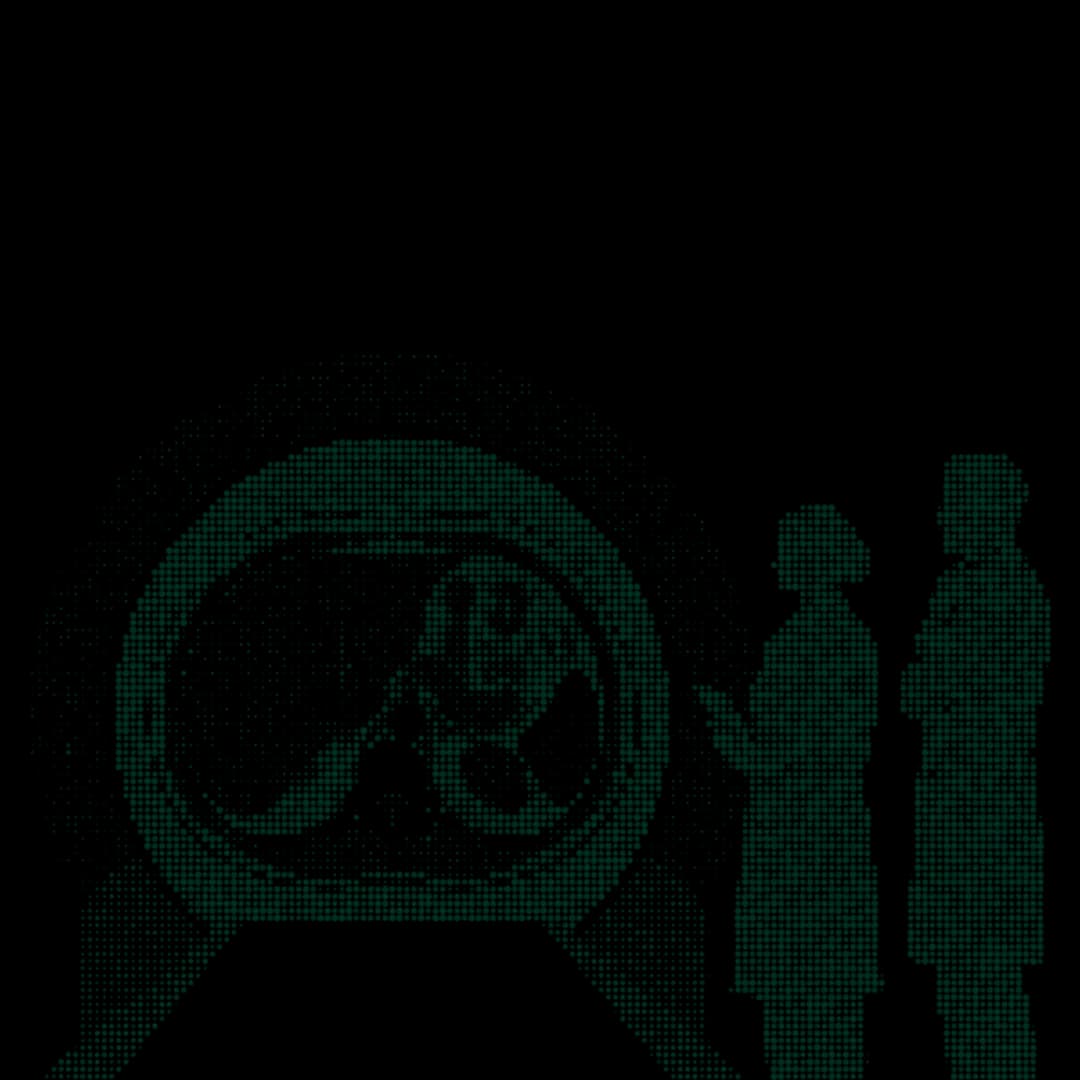
The 14th World Congress of Nuclear Medicine and Biology, held in Cartagena, Colombia, in 2026, provided another milestone in this continuing history.
The Congress brought together more than 1,000 participants and 122 speakers, with 180 conferences and 167 accepted abstracts. Its scientific programme included workshops, continuing medical education sessions, pre-Congress activities and contributions from numerous international scientific societies and organizations.
Cartagena was therefore not simply another destination on the World Congress map. It demonstrated how far the Federation had travelled since the gathering in Mexico in 1970.
From Tokyo and Kyoto in 1974 to Washington, Paris, Buenos Aires, Montreal, Sydney, Berlin, Santiago, Seoul, Cape Town, Cancun, Melbourne, Kyoto and Cartagena, each World Congress has represented another chapter in the same story: the gradual construction of a worldwide nuclear medicine community.
The next chapter will take the World Congress to Rio de Janeiro, Brazil, in 2030.
Building Bridges That Last
More than half a century after its foundation, the essential purpose of the WFNMB remains remarkably close to the vision that inspired its creation.
Technologies have changed dramatically. Nuclear medicine has progressed from the instrumentation and radiopharmaceuticals of the early 1970s to hybrid imaging, theranostics, sophisticated molecular probes, quantitative imaging, artificial intelligence and increasingly personalized radionuclide therapies. The scientific possibilities available today could scarcely have been imagined by the delegates who gathered in Mexico in 1970.
Yet the need that brought them together remains.
Science advances through connection. Education advances through sharing. Access improves through cooperation. And global health advances when knowledge and expertise cross borders.
The World Federation of Nuclear Medicine and Biology was created to provide those connections.
Its World Congresses created meeting places where new scientific relationships could begin. Its regional and national members built networks extending across continents. Its educational activities have helped knowledge reach communities with different levels of resources. Its partnerships with organizations such as the IAEA and WHO have brought nuclear medicine into broader discussions about global health, diagnostics, training and equitable access to care.
The history of the World Federation of Nuclear Medicine and Biology is therefore not simply a chronology of congresses, presidents and institutional milestones. It is the story of an idea: that nuclear medicine is stronger when its international community works together.
From Mexico in 1970 to Cartagena in 2026, and looking ahead to Rio de Janeiro in 2030, the Federation continues to fulfil that idea.
Its task for the decades ahead is both simple to express and ambitious to achieve: to continue creating bridges between people, societies, disciplines, countries and generations and to ensure that those bridges last over the years.
Our history
A timeline of the Federation
Scroll the timeline, or step through with the arrows.
Past Presidents
Those who have led the Federation
- Hideo Ueda1970–1974 · Japan
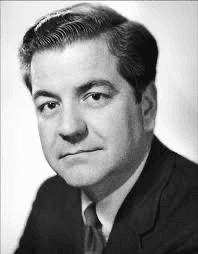 Henry N. Wagner Jr1974–1978 · USA
- Claude C. Kellershohn1978–1982 · France
- Victorio Pecorini1982–1986 · Argentina
- E. Lebel1986–1990 · Canada
- I.P.C. Murray1990–1994 · Australia
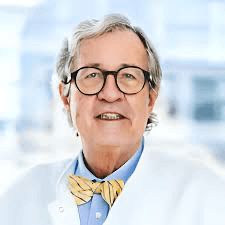 Hans Biersack1994–1998 · Germany
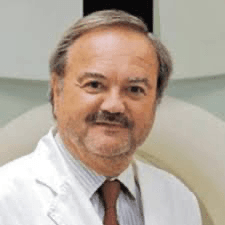 Horacio Amaral1998–2002 · Chile
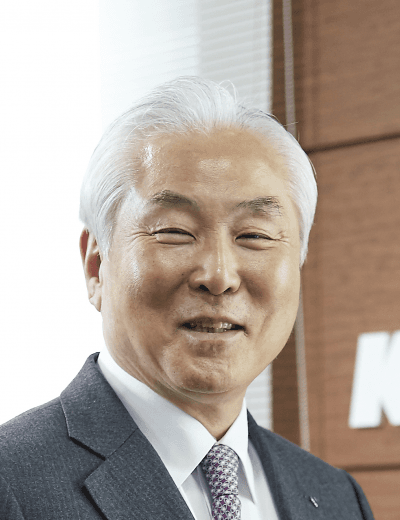 Myung-Chul Lee2002–2006 · South Korea
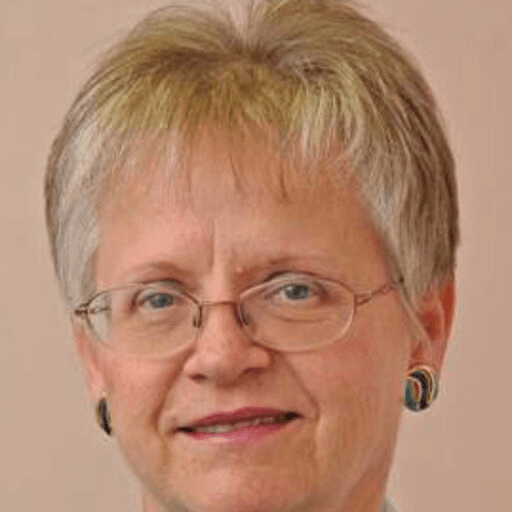 Annare Ellmann2006–2010 · South Africa
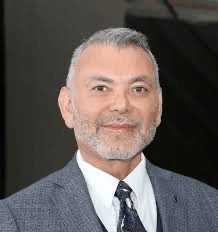 Enrique Estrada-Lobato2010–2014 · Mexico
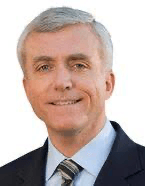 Andrew Scott2014–2018 · Australia
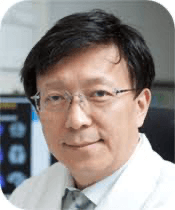 Dong-Soo Lee2019–2020 · South Korea
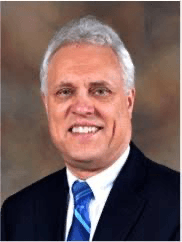 Jean-Luc Urbain2021–2022 · Canada
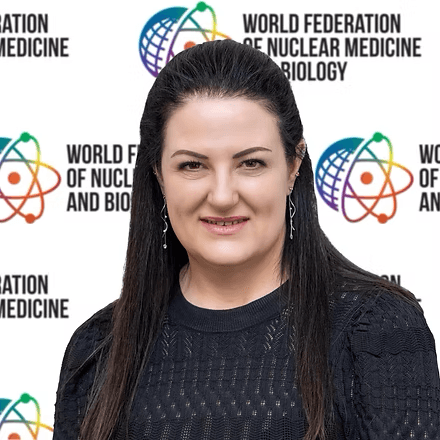 Lizette Louw2023–2024 · South Africa
World Congresses
A record of the World Congresses
The 14th World Congress of Nuclear Medicine and Biology, Cartagena, Colombia, 2026, brought together more than 1,000 participants and 122 speakers, with 180 conferences and 167 accepted abstracts.
- 1stTokyo and Kyoto, Japan1974
- 2ndWashington DC, USA1978
- 3rdParis, France1982
- 4thBuenos Aires, Argentina1986
- 5thMontreal, Canada1990
- 6thSydney, Australia1994
- 7thBerlin, Germany1998
- 8thSantiago, Chile2002
- 9thSeoul, South Korea2006
- 10thCape Town, South Africa2010
- 11thCancun, Mexico2014
- 12thMelbourne, Australia2018
- 13thKyoto, Japan2022Chair: Seigo Kinuya
- 14thCartagena, Colombia2026CurrentChair: Patricia Bernal
- 15thRio de Janeiro, Brazil2030UpcomingChair: E. Etchebehere
References
- Questionnaire on non-governmental organizations requesting official relations with WHO: World Federation of Nuclear Medicine and Biology. https://iris.who.int/handle/10665/152209
- Ann Nucl Med. 2025 Jan;39(1):1-8. doi: 10.1007/s12149-024-01988-4. Epub 2024 Oct 30.
- Wagner HN Jr. Hosting the WFNMB: a memoir and a modest proposal. J Nucl Med. 2004;45(4):25N, 37N. PMID: 15073240.
- Organizers, Abstracts of the 5th World Congress of Nuclear Medicine and Biology. Eur J Nucl Med 16 (Suppl 1), S1-S200 (1990). https://doi.org/10.1007/BF02266924
- Britton, K. Highlights Lecture of the European Association of Nuclear Medicine and the World Federation of Nuclear Medicine and Biology Congress, Berlin 1998. Eur J Nucl Med 25, 1671-1684 (1998). https://doi.org/10.1007/s002590050347
- Proceedings of the VIII World Congress of Nuclear Medicine and Biology, Santiago, Chile, 2002. World Journal of Nuclear Medicine (Print), Vienna: International Atomic Energy Agency (IAEA), 2002, Volume 1 (Supplement).
- Prior JO, Abdel-Wahab M, Frangos S, Hricak H, Scott AM. World Health Assembly Resolution WHA78.13 "Strengthening Medical Imaging Capacity": Impact on Nuclear Medicine Globally. J Nucl Med. 2026 May 1;67(5):672-673. https://doi.org/10.2967/jnumed.125.271611.